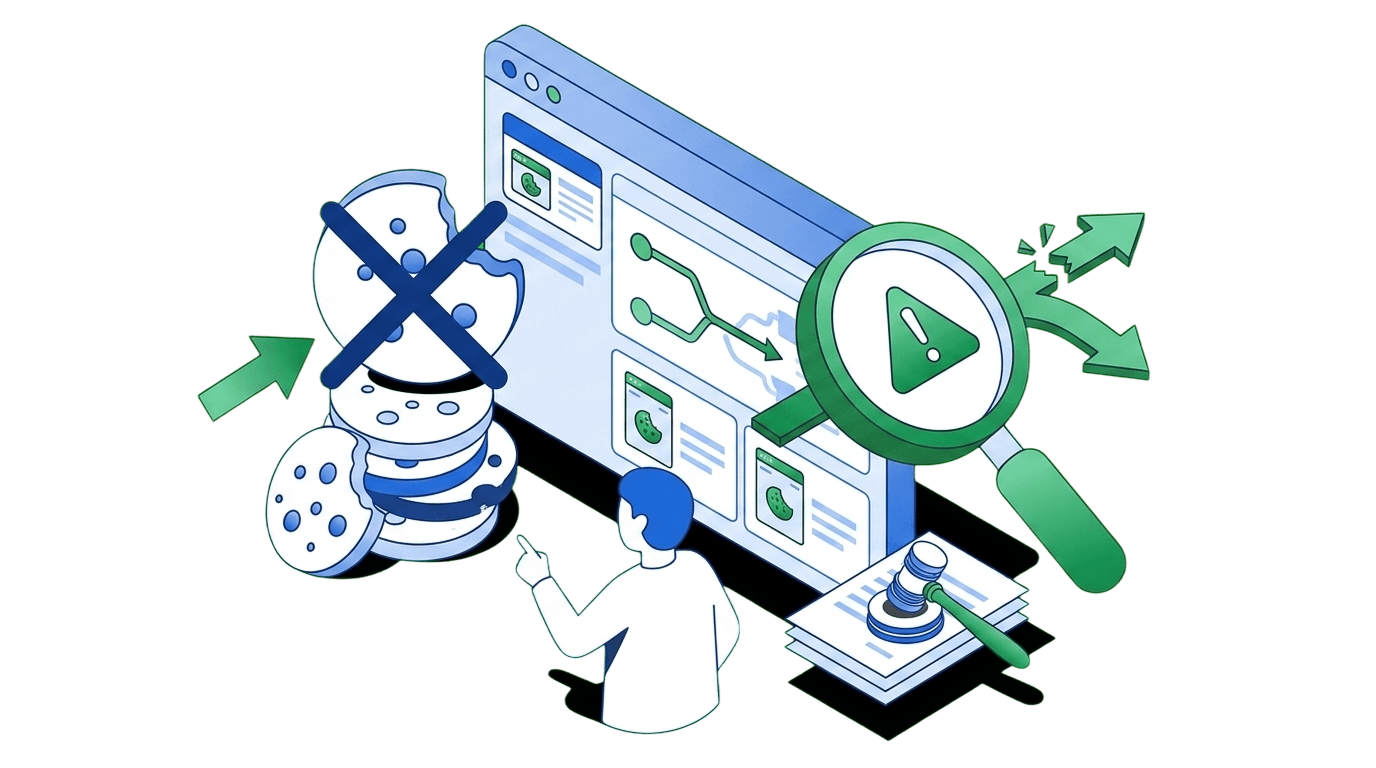
Digital agencies face a different compliance reality than the businesses they serve. Although the compliance laws are the same and they apply equally regardless of who manages the website, it is more complex for agencies, particularly because they manage multiple client websites across multiple regions.
For agencies, staying compliant isn't just a matter of following the rules. It's a matter of following the right rules for the right audience across every site in their portfolio, simultaneously. A small compliance slip, like a misconfigured banner or a missing consent log, could not only risk your client’s website but also crumble your reputation.
In this blog, we explore the 5 common cookie compliance mistakes agencies make and how consent management platforms like CookieYes can help prevent such pitfalls.
What is cookie compliance?
By definition, cookie compliance means adhering to data privacy laws that govern how websites set, store, and access cookies, and ensuring that users give their informed consent before any of that happens.
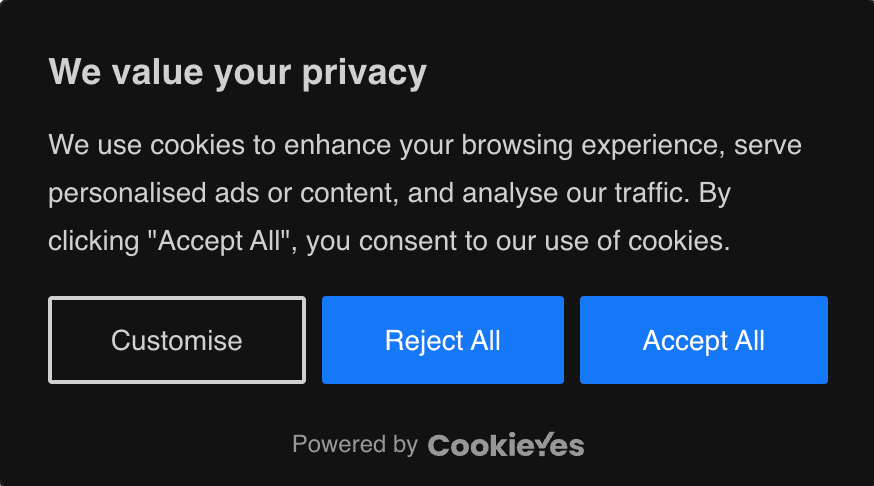
In practice, this means displaying a cookie banner that clearly explains what data you collect, giving users the choice to accept, decline, or opt out, and activating non-essential cookies only after they confirm consent. It also means keeping a record of that consent, respecting user preferences across sessions, and making it just as easy for users to withdraw consent as it was to give it.
Compliance isn't just about having a banner. It's about everything that happens before, during, and after a user interacts with it.
5 common cookie compliance mistakes
Privacy regulations like the General Data Protection Regulation (GDPR), the ePrivacy Directive, and the California Consumer Privacy Act (CCPA) have made cookie compliance non-negotiable, and enforcement is only getting stricter.
For agencies managing multiple client sites, the risks multiply fast: a generic consent banner that fails GDPR's granularity requirements, a subdomain slipping past your compliance setup, or a California user served the wrong opt-out flow can expose your clients to significant regulatory penalties.
On World Data Privacy Day, we hosted a webinar with Mike Saunders, CEO of DigitLab, on real client scenarios agencies had to fix. We discuss the compliance issues his team has encountered, providing an honest look at what actually breaks across agency-managed sites, why it breaks, and how agencies can fix it before it turns into a bigger issue.
Watch the full session on YouTube: Privacy nightmares agencies face
Let us explore the 5 common cookie compliance mistakes agencies often make and how to fix them effectively.
1. Using a one-size-fits-all cookie banner
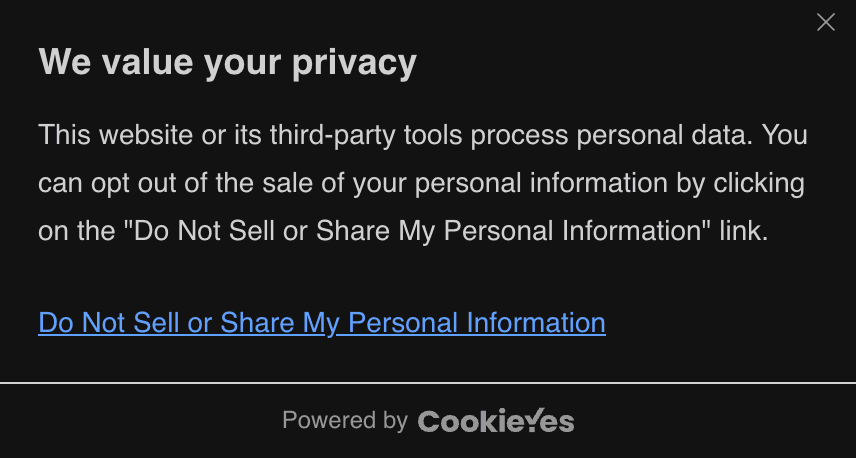
Agencies that use a generic banner across all client sites risk non-compliance in stricter regions such as the UK/EU or insufficient transparency in US states like California. A user visiting from the EU must receive a GDPR-compliant experience, even if your client site is hosted in the US. Failing to serve region-specific consent banners based on visitor location is one of the most commonly overlooked compliance gaps.
GDPR and CCPA/CPRA have distinct requirements around consent language, opt-out mechanisms, and cookie categories.
- GDPR: Consent must be prior, explicit, and granular. Pre-ticked boxes or implied consent models are non-compliant.
- CCPA/CPRA: Prior consent is not always required. Instead, users must be given the option to opt out of the sale or sharing of personal data.
How to fix?
Use a solution that allows you to tailor consent experiences by region without adding development overhead. With CookieYes, agencies can geo-target cookie banners based on visitor location, ensuring GDPR-style opt-in flows in Europe, and CCPA-style opt-outs in California. You can also display banners in multiple languages with our free auto-translation feature, making it easier to serve global audiences without duplicating effort.
2. Failing to manage consent across multiple domains and subdomains
Agencies handling enterprise clients often deal with multiple domains, subdomains, and regional sites, but often miss the subdomains and treat them in isolation. Users may consent on one domain, but another domain may track them differently, leading to inconsistent compliance.
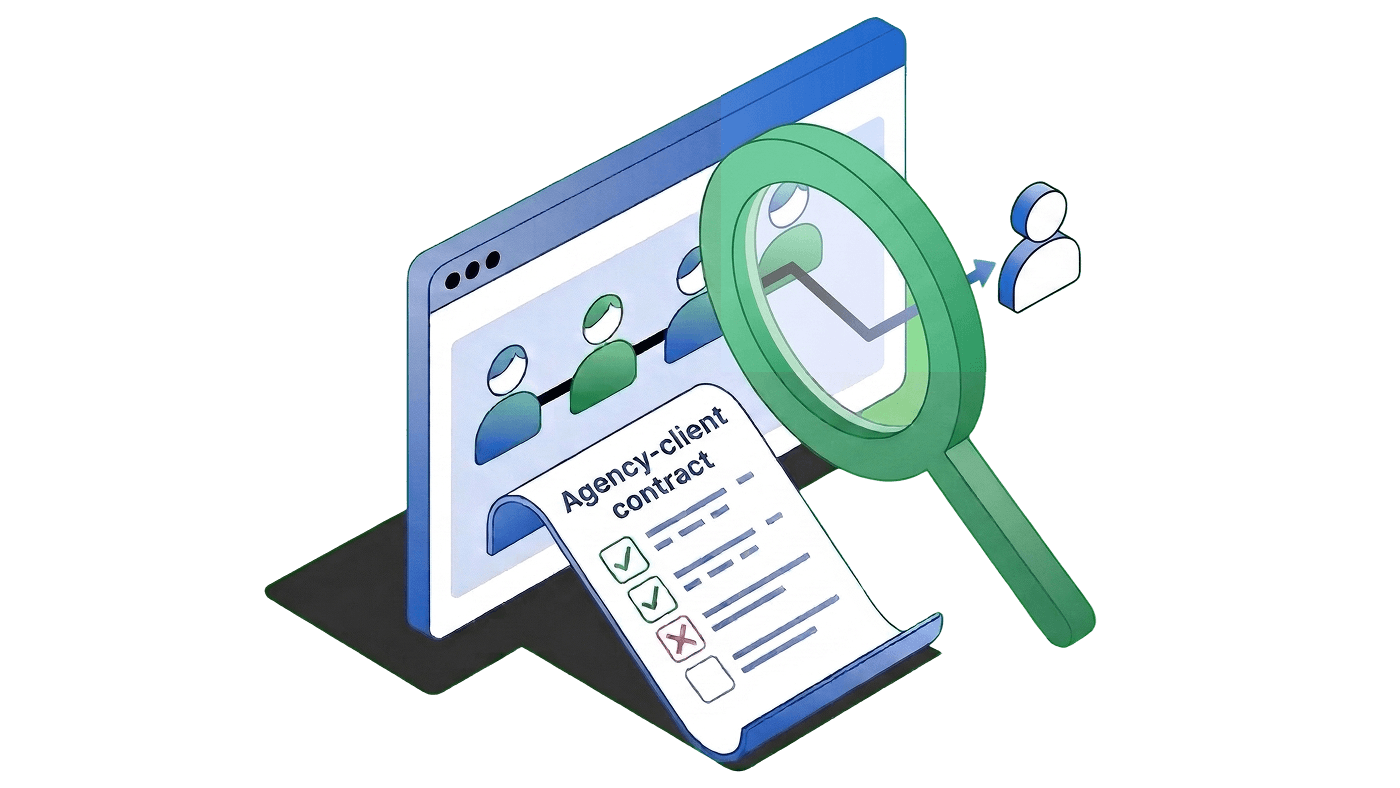
Agencies without a centralised dashboard fall behind when it comes to monitoring compliance status across all domains and subdomains for multiple client sites.
- GDPR: Consent must be consistent and demonstrable across all user touchpoints. Fragmented consent experiences can invalidate compliance.
- CCPA/CPRA: Users’ opt-out preferences must be honoured across the business. Disjointed systems risk non-compliance with “Do Not Sell/Share” requests.
How to fix?
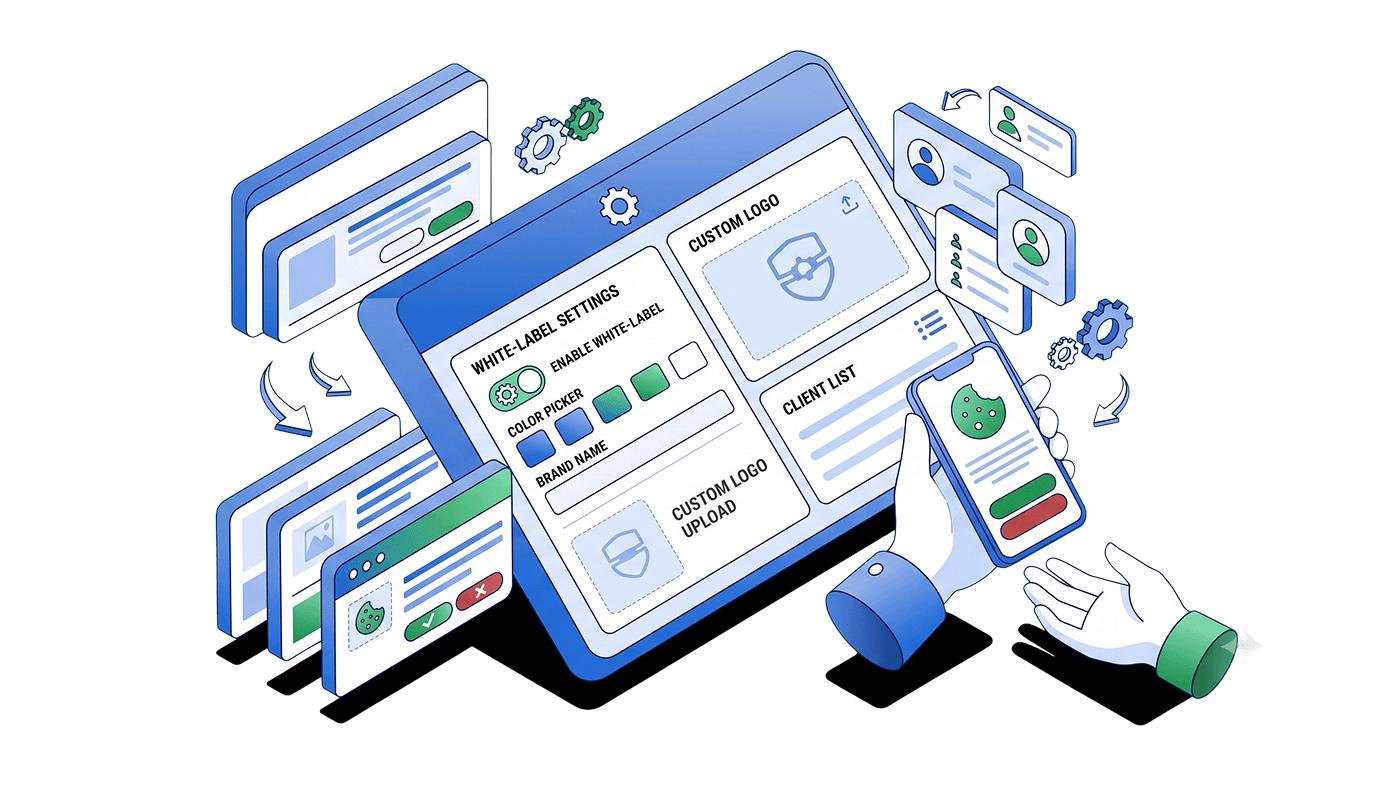
Partner with a consent management platform that has a unified mechanism to manage multi-site compliance. The CookieYes Agency Partner Program provides agencies with a centralised dashboard to manage consent across multiple client websites, making it easier for you to standardise compliance, monitor performance, and scale operations efficiently.
3. Not maintaining consent logs and records
Consent must not only be obtained, but it must also be recorded. Agencies often stop at implementation and overlook the importance of documentation.
If a regulator asks for proof that a user has consented on a specific date and time, you need to be able to produce that log. Many agencies implement cookie banners without setting up proper consent logging, rendering their compliance efforts legally incomplete.
- GDPR: As per recital 42 of GDPR, where processing is based on the data subject’s consent, the controller should be able to demonstrate that the data subject has given consent to the processing operation.
- CCPA/CPRA: Businesses should maintain records demonstrating that user data was not sold after the user opted out.
How to fix?
Ensure every user interaction is recorded and accessible. CookieYes automatically captures all user consent logs, providing agencies and their clients with a reliable audit trail and proof of compliance when needed.
4. Treating cookie compliance as a one-time setup
Agencies often treat cookie compliance as a one-off implementation rather than an ongoing process. But websites change, new third-party scripts get added, pixels get updated, and tracking tools get swapped out. Without regular cookie audits, a site that was compliant six months ago may no longer be today. Agencies need automated scanning or scheduled reviews built into their maintenance workflows.
- GDPR: Compliance requires continuous accuracy in cookie disclosures and prior consent mechanisms. Outdated or missing cookie information can invalidate consent.
- CCPA/CPRA: Businesses must ensure disclosures remain accurate, especially around data “sale” or “sharing”, which can change as new trackers are introduced.
How to fix?
Build continuous monitoring into your workflow. CookieYes enables agencies to schedule automatic cookie scans and maintain an up-to-date cookie inventory, ensuring your clients always stay compliant, without manual intervention.
5. Firing cookies before consent is given
This is more common than it should be. Analytics scripts, Meta Pixels, and Google Tags often load by default on page load, before the user has made a choice. Agencies relying on generic CMS setups or outdated tag manager configurations are frequently guilty of this.
- GDPR: As per Article 5 of GDPR, personal data collected shall be adequate, relevant, and limited to what is strictly necessary in relation to the purposes for which they are processed. In terms of cookie compliance, non-essential cookies must not be set before consent is obtained.
- CCPA/CPRA: Prior blocking is not strictly required, but you must inform users and provide a clear opt-out, and you must honour that choice.
How to fix?
Implement a consent solution that enforces user choices at the script level. CookieYes helps agencies auto-block third-party cookies until user consent is obtained, ensuring compliance with GDPR requirements while respecting opt-out signals under CCPA.
We also offer seamless integration with Google Tag Manager, which allows you to install, store, and manage marketing tags without modifying website code and instantly deploy tags on your website.
Cookie compliance mistakes are costly. Not just monetarily, but reputationally too. And for agencies, the stakes are even higher because a compliance failure on one client site can quickly raise questions about every other site you manage.
But it's not an unbeatable challenge. With the right consent management platform, like CookieYes, which offers agency-focused compliance features, agencies can automate cookie scanning, serve region-specific consent banners, maintain consent logs, and monitor compliance across all client sites from a single dashboard, eliminating the guesswork and closing the gaps before regulators do.
Key takeaways
- Compliance isn’t static; it’s operational. Cookie inventories change every time a new script or plugin is added. Managing cookie compliance across multiple clients requires ongoing monitoring, not just initial setup.
- A consent banner alone doesn't make you compliant. Script blocking, cookie categorisation, and consent logging all need to work together behind the scenes.
- GDPR and CCPA require different consent models. GDPR mandates explicit opt-ins, and CCPA requires opt-out links. Applying the wrong model in either region is a violation. Agencies must balance consent frameworks depending on user location.
- Without documented consent logs, you have no proof of compliance during a regulatory audit. Records of user consent, including when and to what extent, are non-negotiable.
- Automation is essential at scale. Features like auto-blocking, scheduled cookie scans, and consent logging reduce manual effort and risk.
- Centralisation drives efficiency. Managing multiple client sites from a single dashboard helps standardise compliance and avoid gaps.
Frequently asked questions