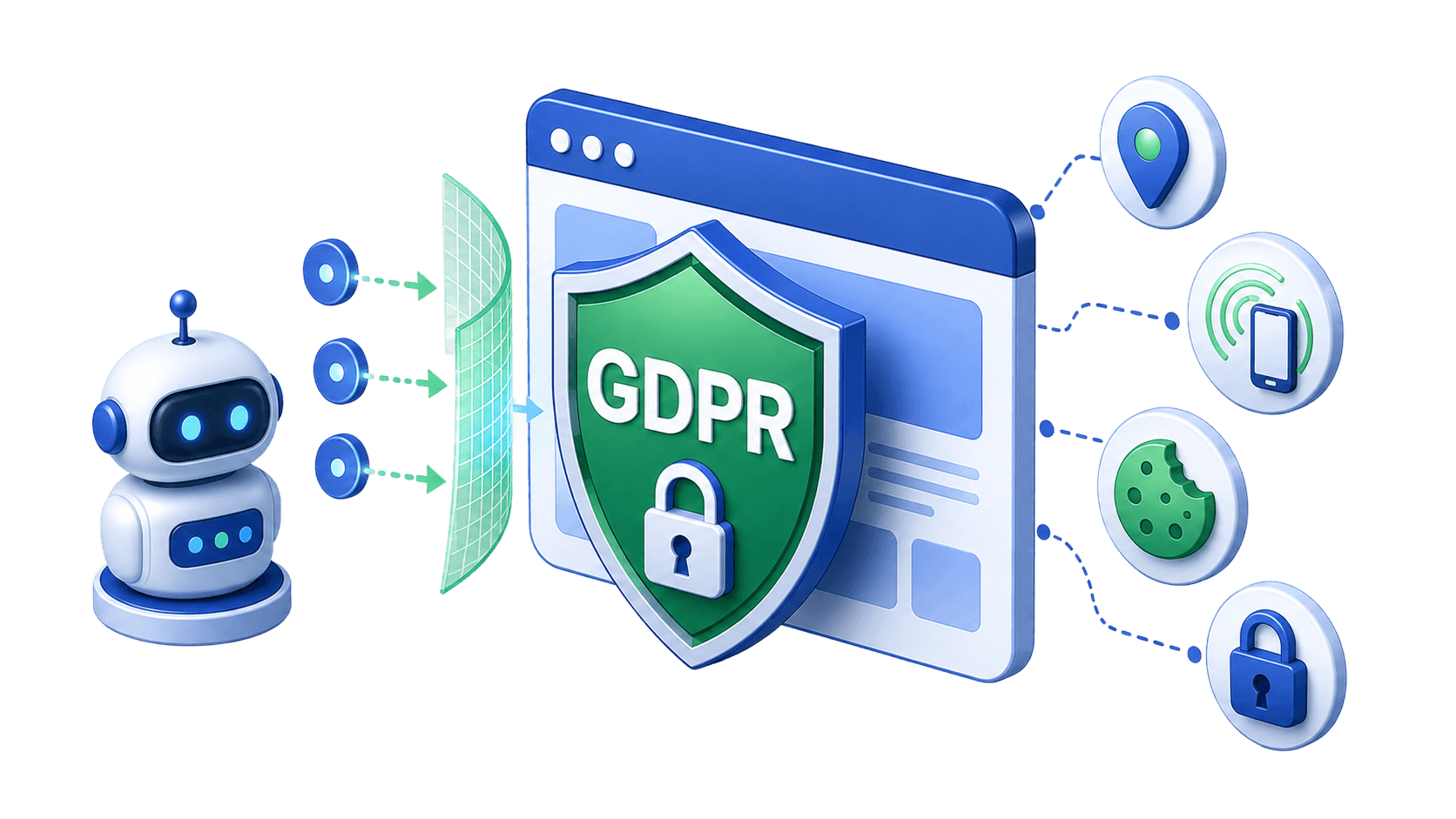
Why is GDPR important in marketing?
GDPR is a big deal for marketing. It is a data protection regulation that applies to any business that processes personal data in the EU. Personal data is any information relating to an identified or identifiable natural person. Any business that has customers or clients in the EU requires to comply with GDPR if it processes personal data about those people.
Here are the top reasons, besides it being the law, why it's important for marketers to understand GDPR:
- Increased transparency: Companies will be more transparent about how they use customers’ data, what they're doing with it, and why. This means that the customers will have more information about how their data is being used by companies and can make better decisions about which ones to trust or avoid based on how they treat their customers' personal data.
- Improved privacy and security: By having a clear set of rules about how data can be used, companies will be able to better protect their customers' personal data. This means that companies will need to ensure that their systems are secure enough to keep this information safe from hackers and other malicious actors who might want to steal it from them.
- Build trust: Customers are more likely to trust companies that follow the rules of GDPR than those who do not follow them because they know their personal data is protected by law. This can make it easier for companies to get people interested in their products or services by building trust between themselves and their customers before launching any kind of marketing campaign.
- Increased accountability: One of the main purposes of GDPR is to make sure that companies aren't collecting or using more information than they need to provide their service—and this means they can't just collect anything from anyone and everyone who signs up for their services. This also means that if there are any breaches, then companies will have to be held accountable for those breaches.

Jump to
GDPR checklist for marketingHow does GDPR affect digital marketing?
Legal processing of data
Marketing consent
Data rights and management
GDPR grants users several rights over ther data that a company is bound to respect. Here's a quick rundown of the GDPR rights that you must consider n you marketing strategies:
Right to be informed: Companies will have to provide individuals with clear, concise, and easy-to-understand information about how they are collecting and processing their personal data.
Right of access: Users can request a copy of the personal data held on them by the company, as well as ask for it to be corrected if it is inaccurate. Users also have the right to object to their personal data being processed for direct marketing purposes at any time.
Right to rectification: If a user believes that their personal data is inaccurate or incomplete, they can request that it be corrected by the company holding it.
Right to erasure (or to be forgotten): If a user wishes for their personal data no longer be processed by a company, they can request erasure of all copies held by them or third parties acting on their behalf.
Right to object processing (including profiling): Users have the right to opt out of having their data used for direct marketing purposes.
As a result of these changes, marketers will need to take steps towards ensuring that they are compliant with GDPR by ensuring that they are only collecting the minimum amount of information from consumers and storing it securely. It is also important for marketers to ensure they are transparent with consumers regarding how they intend to use their data and how long they wish to retain it for.
Contextual advertising
Contextual advertising is one of the biggest changes that GDPR will bring to the advertising industry. It’s a shift away from targeting customers based on their profile and instead focuses on customers’ content and what they are already searching for or consuming online. For example, if someone has recently searched for an item like a table, you can use contextual advertising to show them ads for similar products.
This type of targeting will still be allowed under GDPR, but it may require more careful monitoring by advertisers and marketers.
Email marketing
What digital marketers don’t like about GDPR?
Checklist to comply with GDPR for marketing
- Audit database: Audit your database and identify all personal data, where it came from, how it’s used, and where it’s stored.
- Define and establish your legal processing: Determine what kind of businesses you are running, how you process personal data, and what type of processing activities you do. For marketing, the legal basis for processing data is going to be either legitimate interests or user consent.
- Double down on consent: Double-check that you have consent for every use for which you need consent; make sure that this consent is valid, and ensure that the consent is specific enough to cover all your uses.
- Establish opt-in and opt-outs for emails and forms: Make sure you have an opt-in and opt-out system in place for email subscriptions, online forms, and every other place where you will collect data so that people have the choice to decide whether or not they want to receive marketing communication from you.
- Update privacy policy: Your privacy policy should include information about how you’re going to use customer data as well as who has access to it—including third parties like advertisers. It should also outline what happens if someone wants their data removed from your database or if something goes wrong with the security measures protecting it.
- Use advertising cookies with consent: If you’re going to use any kind of advertising cookies in your marketing efforts, then those cookies must be accompanied by consent from the user. This applies even if they’ve already given consent for other uses of their data.
- Improve data management system: The first step is to make sure that you have a well-documented and secure data management system in place. User rights must be clearly stated, and the user should be able to exercise their GDPR rights over data at any time.
- Review third-party vendors/services: Review third-party vendors’ or services’ privacy policies and contracts to ensure they’re in compliance with GDPR. This includes auditing their practices regularly, including their data collection practices, data retention practices, and handling of personal data. You should verify that your vendor has appropriate security measures in place to protect any personal data you provide them with from unauthorized access or disclosure.
- Document everything: Document your processing methods and every step you took in scouring your website. It will help you as proof of your compliance with the GDPR. You can also review them if such a need arises in the future.