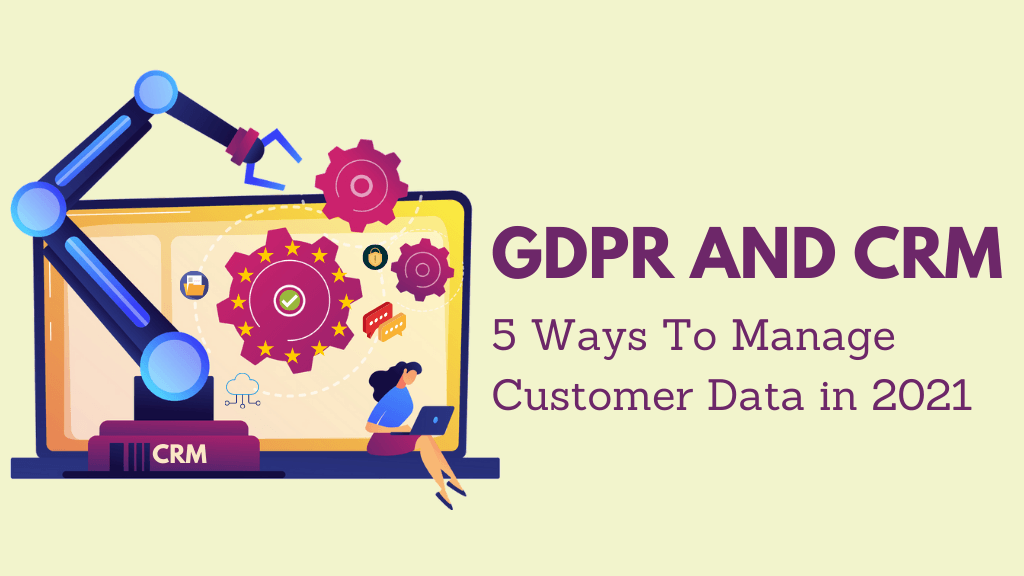
Customer Relationship Management (CRM) is the process of managing your business's interactions with its customers. The CRM analyses the customer data to make business decisions and grow the customer base. The GDPR's arrival improved or redefined the CRM. In this post, we will look into various ways you can manage the customer data to make your CRM GDPR Compliant.
The world runs on data. Data-driven decision making is gaining a lot of attention. According to research, 91% of companies think that data-driven decisions can impact their businesses' growth. That is why many companies rely on their customer data for making business decisions.
Data-driven decisions with a proper strategy can bring positive results to the business. You can use customer data for every section of the company, such as product development, marketing, customer service, and management. Before we explore CRM and GDPR, let us understand what GDPR is.
What is GDPR?
The General Data Protection Regulation (GDPR) is a Europe-wide law aiming to protect EU residents' rights and freedom.
It came into effect on May 25, 2018. Any business that processes the personal data of EU residents is liable to comply with the GDPR.
It has various principles, lawful bases for processing data, and customer rights that a business must follow to be compliant. It covers various aspects of processing personal data, such as collection, use, transfer, protection, and storage.
Failing to comply with the GDPR could result in financial penalties.
The GDPR's impact on marketing is significant. It has changed the way digital marketing must deal with customer data and follow other standards to be GDPR compliant.
How to manage customer data for GDPR compliance?
#1 Identify the customer data
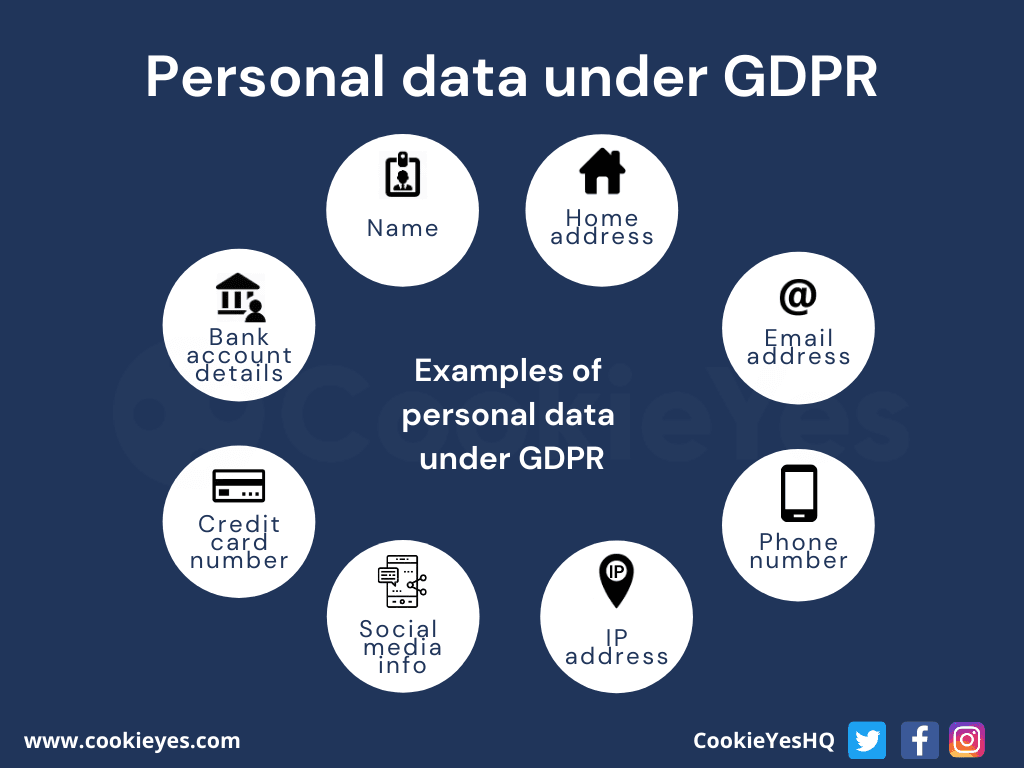
#2 Manage the customer data
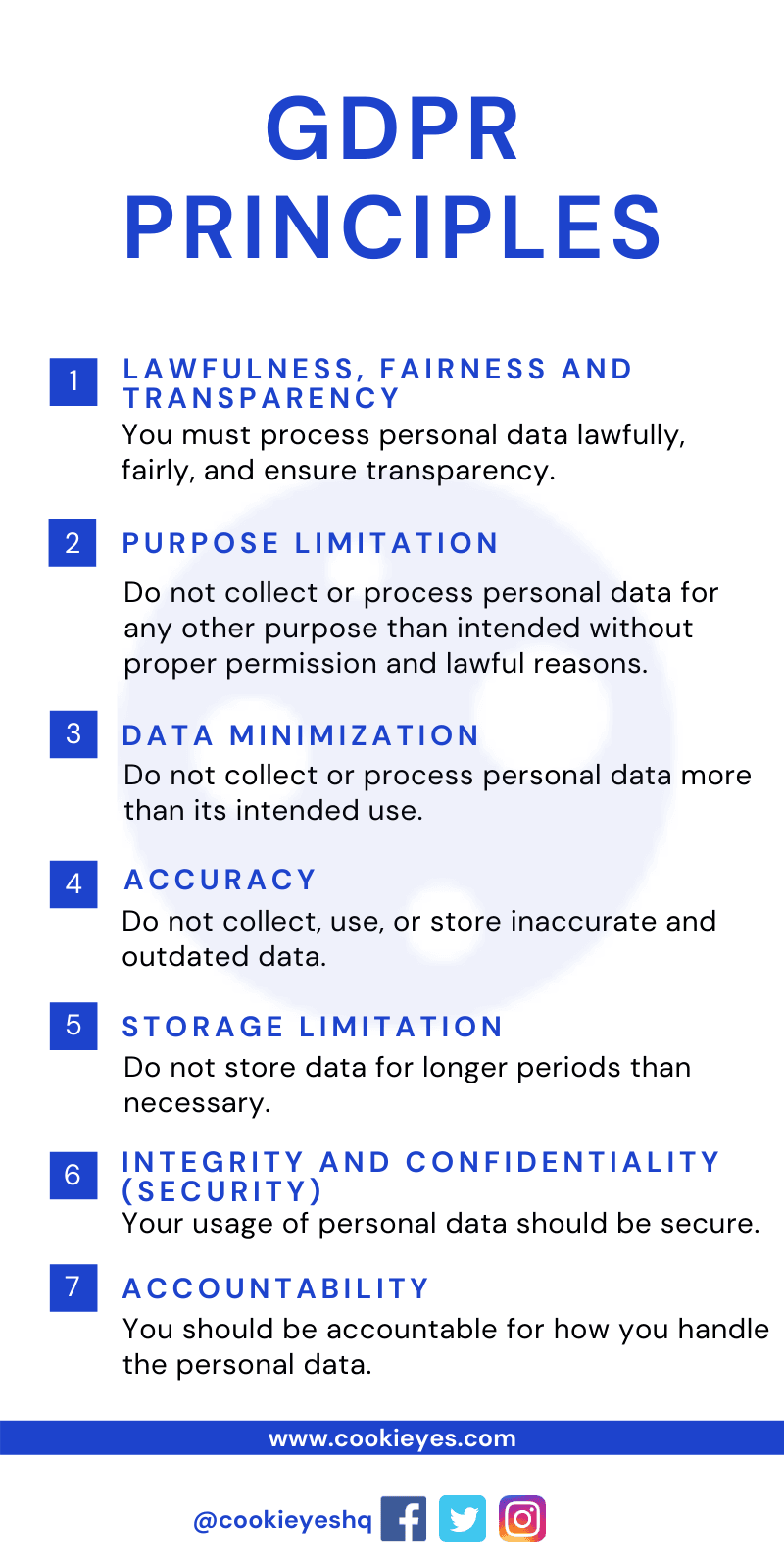
The identified data may have different purposes. You must identify if they come under the lawful bases of the processing. Whatever may be your basis of processing, maintain the record of it.
Consent is one of the lawful bases. If your processing requires the customers’ explicit consent, your CRM must include consent management provisions.
When you receive customers’ consent, per GDPR, you must maintain a record of it. You can store the consent obtained with its status (accepted or rejected). You can only process customers’ data if you have their consent. Maintaining a log of all consent received will help to demonstrate proof of consent if necessary.
If you have used any third-party services, such as marketing or analytics cookies, to collect customer data, that should be reflected in the CRM. You must also ensure that these third-party services are GDPR compliant.
Limit access to customer data within the organization. Sensitive data must not be shared with everyone and must be handled carefully.
Email services must provide options for double opt-in, i.e., confirming subscription twice. You have to send emails to customers according to what they opted for.
You must remove any customer data that you no longer require or have permission to process from the database.
Make your website GDPR compliant for cookies easily with CookieYes!